-
Phone:
+91 98765 43210 -
Email:
goraimangrovepark@gmail.com -
Location:
6RMF+GV7, Gorai 3, Borivali West, Mumbai, Maharashtra 400091
Borivali West suburb, near the Gorai Creek
Get Directions
Mangroves are a group of tress and shrubs that live in the coastal intertidal zone.
Show more...
There are about 80 different species of mangrove trees. All of these trees grow in areas with low-oxygen soil, where slow-moving waters allow fine sediments to accumulate. Mangrove forests only grow at tropical and subtropical latitudes near the equator because they cannot withstand freezing temperatures.
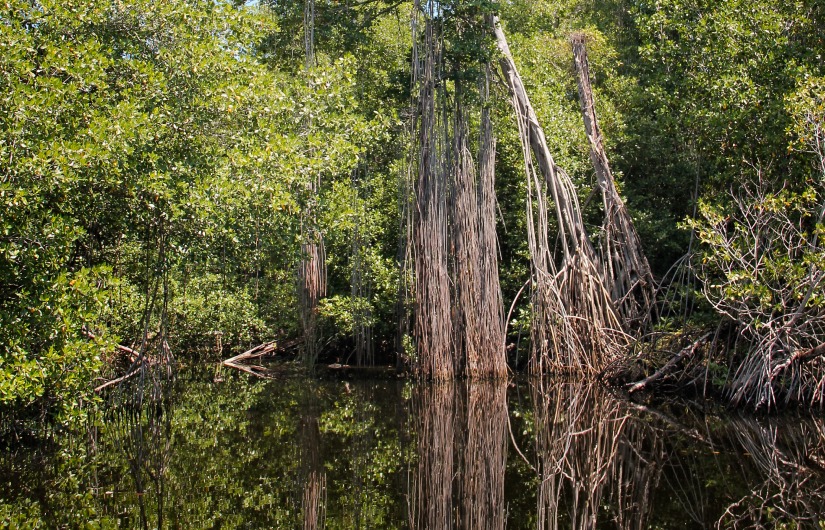
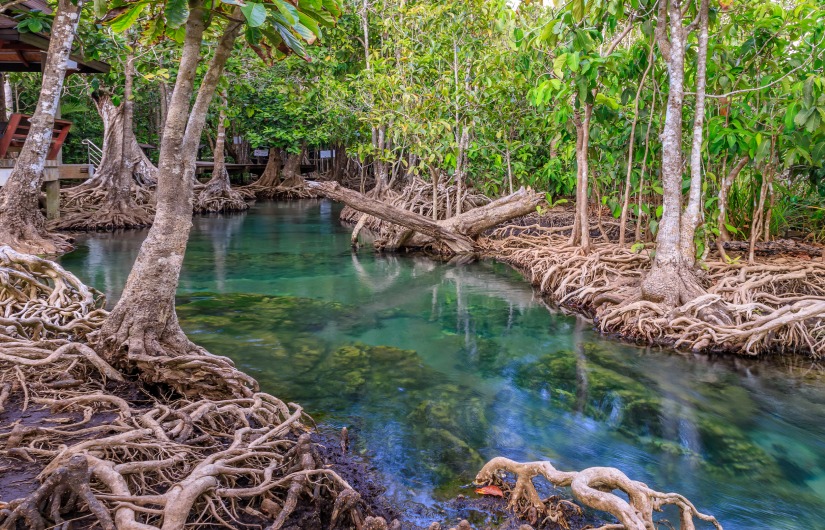
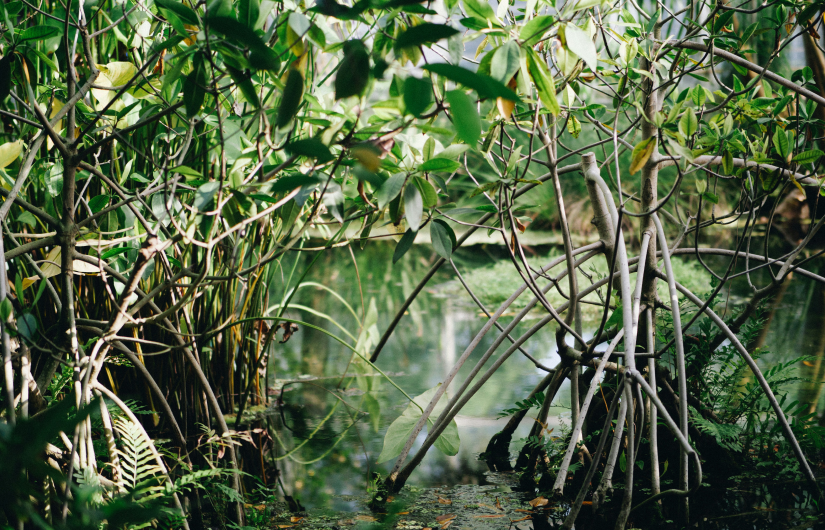
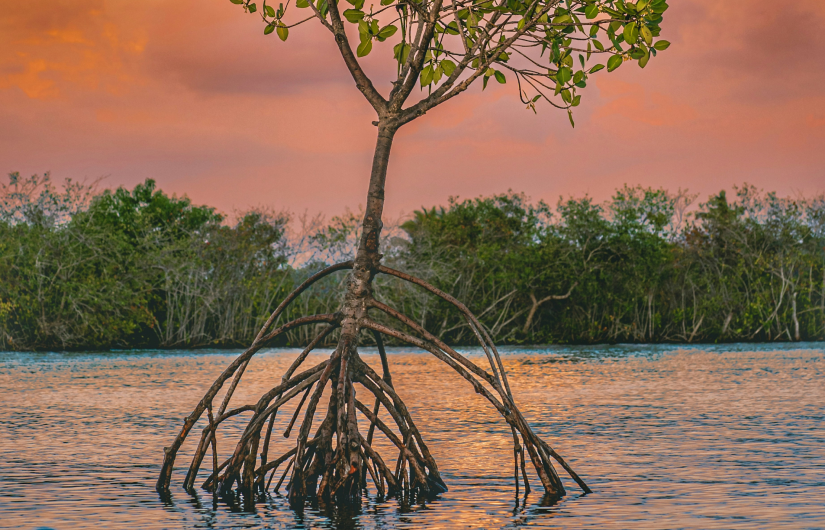
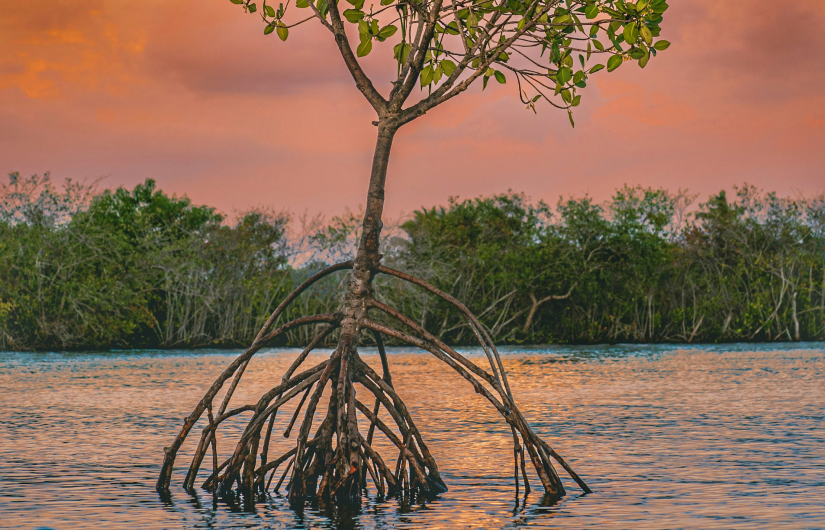
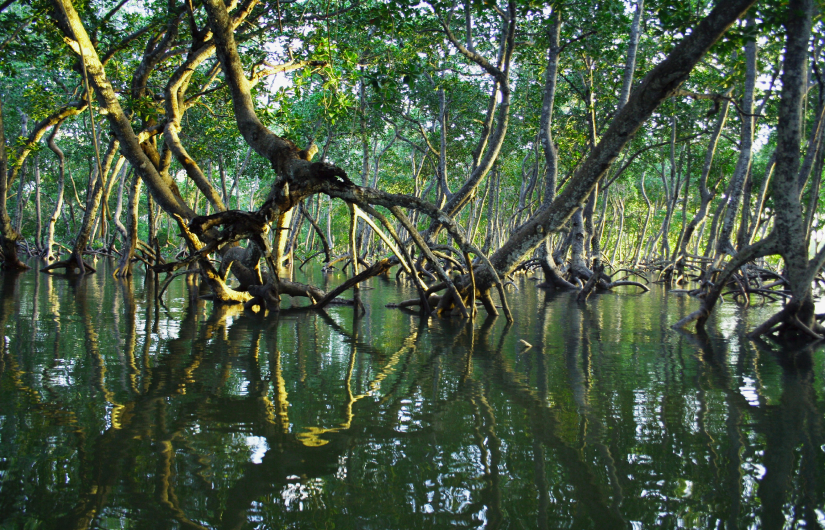
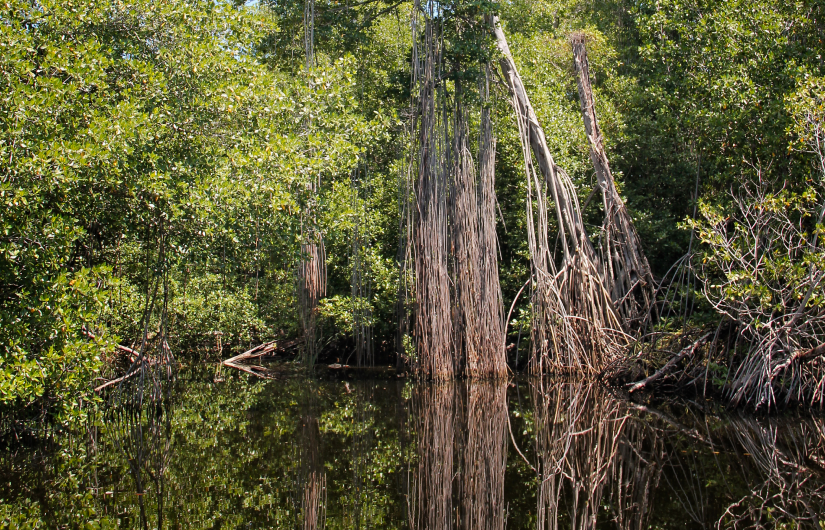
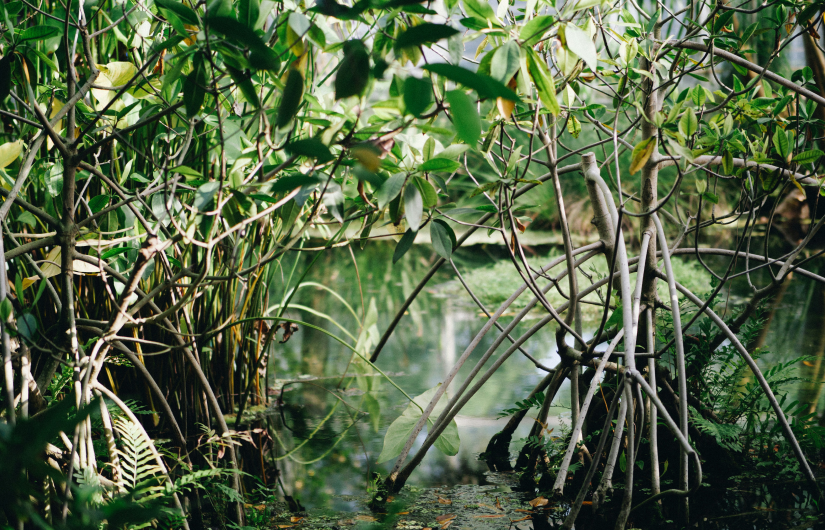
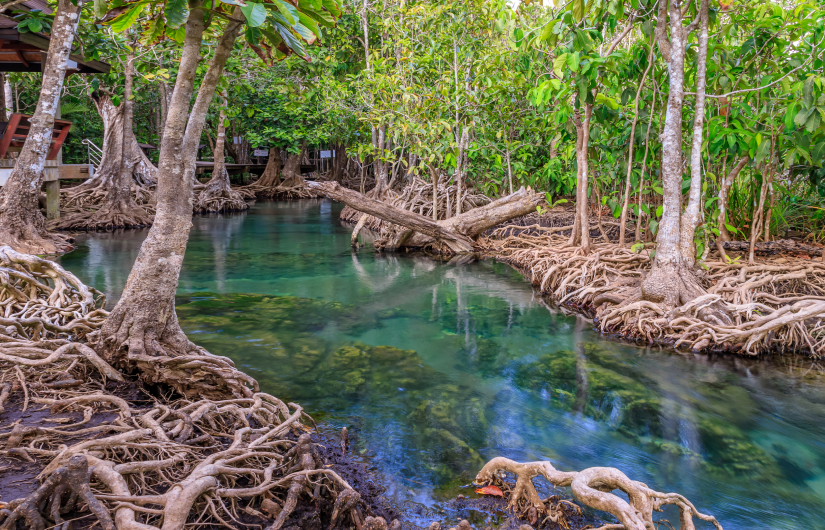
Many mangrove forests can be recognized by their dense tangle of prop roots that make the trees appear to be standing on stilts above the water. This tangle of roots allows the trees to handle the daily rise and fall of tides, which means that most mangroves get flooded at least twice per day. The roots also slow the movement of tidal waters, causing sediments to settle out of the water and build up the muddy bottom.
Mangrove forests stabilize the coastline, reducing erosion from storm surges, currents, waves, and tides. The intricate root system of mangroves also makes these forests attractive to fish and other organisms seeking food and shelter from predators.
Mangrove roots grow above the ground like stilts, forming a tangled network. These roots help the trees breathe in waterlogged soil, survive flooding from daily tides, and trap sediments. By slowing down water flow, the roots build up soil and create a stable muddy bottom.
Mangroves protect coastlines from erosion, storms, and rising tides. Their root systems provide shelter and breeding grounds for fish, crabs, birds, and many other species. They also store large amounts of carbon, making them vital in the fight against climate change.